
Call us now :08071930601
 Send Inquiry
 Send Inquiry
2 Pc. Ball Valve with Pneumatic Rotary Actuator
2 Pc. Ball Valve with Pneumatic Rotary Actuator Specification
- Caliber
- Standard
- Pressure
- PN16 / 150# / 10 bar
- Connection
- Flanged / Screwed / Socket Weld
- Structure
- 2 Piece
- Material
- Stainless Steel (Body & Ball), PTFE Seats
- Power
- Pneumatic
- Media
- Water, Air, Oil, Gas, Steam, Chemicals
- Port Size
- 1/2 inch to 6 inch (DN15 to DN150)
- Flange
- ANSI, DIN, JIS Standards Available
- Finish
- Polished / Shot Blasted
- Application
- Industrial Automation, Process Control, Fluid Handling Systems
2 Pc. Ball Valve with Pneumatic Rotary Actuator Trade Information
- Payment Terms
- Cheque
- Packaging Details
- As per Requirement
- Main Domestic Market
- All India
- Certifications
- An ISO 9001 Certified Company
About 2 Pc. Ball Valve with Pneumatic Rotary Actuator
We also offer an extensive assortment of 2 Pc. Ball Valve with Pneumatic Rotary Actuator to our clients, spread across the Indian as well as overseas markets. Our ball valve is widely used in varied industries due to its durability, precise dimensions and reliability. Manufactured according to the set industry standards, using outstanding quality factor inputs and hi-tech tools, this2 Pc. Ball Valve with Pneumatic Rotary Actuator does not require lubrication and is ensured of low pressure drop.
Technical specifications
|
Model |
FSDB |
|
Actuator |
Single / Double Acting |
|
Size Range |
1/2 to 1/2 |
|
Ball Valve |
2 Piece Fire Safe Design |
|
M.O.C. |
WCB / CF8 / CF8M |
|
Ends |
Screwed / Flanged Tricolver |
Precision Control for Industrial Applications
This 2 Piece Ball Valve is equipped with a pneumatic rotary actuator that allows for rapid and reliable automated operation. It is engineered to provide precise fluid regulation for a variety of process control and automation systems, making it ideal for industries needing consistent performance under demanding conditions.
Superior Materials, Lasting Durability
With both the body and ball made from high-grade stainless steel and PTFE seats, the valve boasts exceptional corrosion resistance and a polished or shot-blasted finish. This ensures longevity even when exposed to aggressive chemicals or harsh operating environments.
Flexible Installation Options
Available in a wide range of port sizes and offering flange, screwed, or socket weld connections, the valve can be easily adapted to diverse systems. It meets international flange standards (ANSI, DIN, JIS), ensuring compatibility with global industrial piping systems.
FAQs of 2 Pc. Ball Valve with Pneumatic Rotary Actuator:
Q: How does the pneumatic rotary actuator enhance the operation of this 2 Pc. Ball Valve?
A: The pneumatic rotary actuator enables automated on/off control and precise regulation, allowing for faster and more reliable operation compared to manual actuation. This makes it ideal for industrial automation and process control environments.Q: What types of media can this valve handle safely?
A: This valve is suitable for handling a range of media, including water, air, oil, gas, steam, and various chemicals, thanks to its stainless steel construction and PTFE seat material.Q: When should I opt for the polished or shot-blasted finish?
A: The choice between polished and shot-blasted finish depends on the intended application and aesthetic preference. A polished finish offers smooth, easy-to-clean surfaces suitable for food and pharmaceutical applications, while shot-blasted is favored where a matte, less-reflective surface is needed.Q: Where can I install this ball valve, and what industries benefit most?
A: This valve is ideal for installation in fluid handling systems, industrial automation setups, and process control lines. Industries such as chemical processing, water treatment, oil & gas, and power generation benefit greatly from its reliable and versatile performance.Q: What is the process for selecting the correct port size and connection type?
A: Selection depends on your systems flow rate requirements, pressure specifications, and existing piping connections. Measure your piping size and pressure class, then choose the appropriate port size (1/2 inch to 6 inch) and compatible connection type (flanged, screwed, or socket weld) based on ANSI, DIN, or JIS standards.Q: How should this valve be maintained to ensure longevity?
A: Routine inspection and periodic cleaning of the valves surface and actuator, along with timely replacement of PTFE seats if signs of wear appear, will help maintain performance and extend the valves service life.Q: What are the main benefits of choosing this valve for process automation?
A: The main benefits include durable construction, reliability under various pressures and media, versatility in installation, and compatibility with automated control systemsall contributing to enhanced operational efficiency and reduced downtime.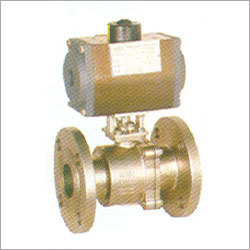
Tell us about your requirement

Price:
Quantity
Select Unit
- 50
- 100
- 200
- 250
- 500
- 1000+
Additional detail
Mobile number
Email

More Products in Fire Safe Ball Valve Category
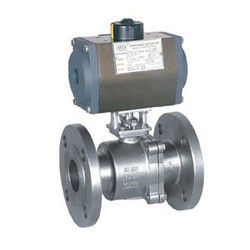
Fire Safe Ball Valve
Finish : Polished
Connection : Flanged
Application : Industrial, Fire Safety, Oil & Gas, Petrochemical
Media : Other, Water, Oil, Gas, Chemical
Flange : ANSI, DIN, JIS Standard
Caliber : Full Bore
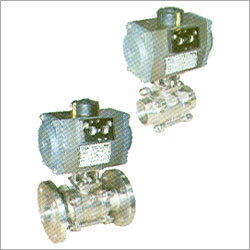
3 Pc. Ball Valve with Pneumatic Rotary Actuator
Finish : Polished / Brushed
Connection : Screwed, Socket Weld, Flanged
Application : Industrial Automation, Process Control, Chemical and Pharmaceutical Plants
Media : Other, Water, Oil, Gas, Steam, Air
Flange : ANSI, DIN, JIS Standard
Caliber : Full Bore
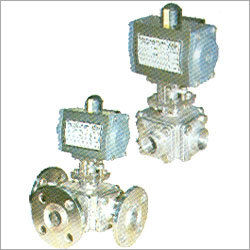
3-4 Way Ball Valve with Pneumatic Rotary Actuator
Finish : Polished / Coated
Connection : Flanged / Threaded / Welded
Application : Industrial Automation, Process Control, Water Treatment, Chemical, Oil & Gas
Media : Other, Water, Oil, Gas, Air, Steam, Chemicals
Flange : ANSI / DIN / JIS Standards
Caliber : Full Bore / Reduced Bore


 Send Inquiry
Our Products


B-301, 3rd Floor, Grace Chambers, Amrut Nagar, Chakala Naka, Andheri (E),Mumbai - 400093, Maharashtra, India

Mr Ashraf Pehlari Pehlari
(Partner)
Mobile :08071930601
 Send Inquiry
 Send SMS
 Call Me Free
Developed and Managed by Infocom Network Private Limited.
